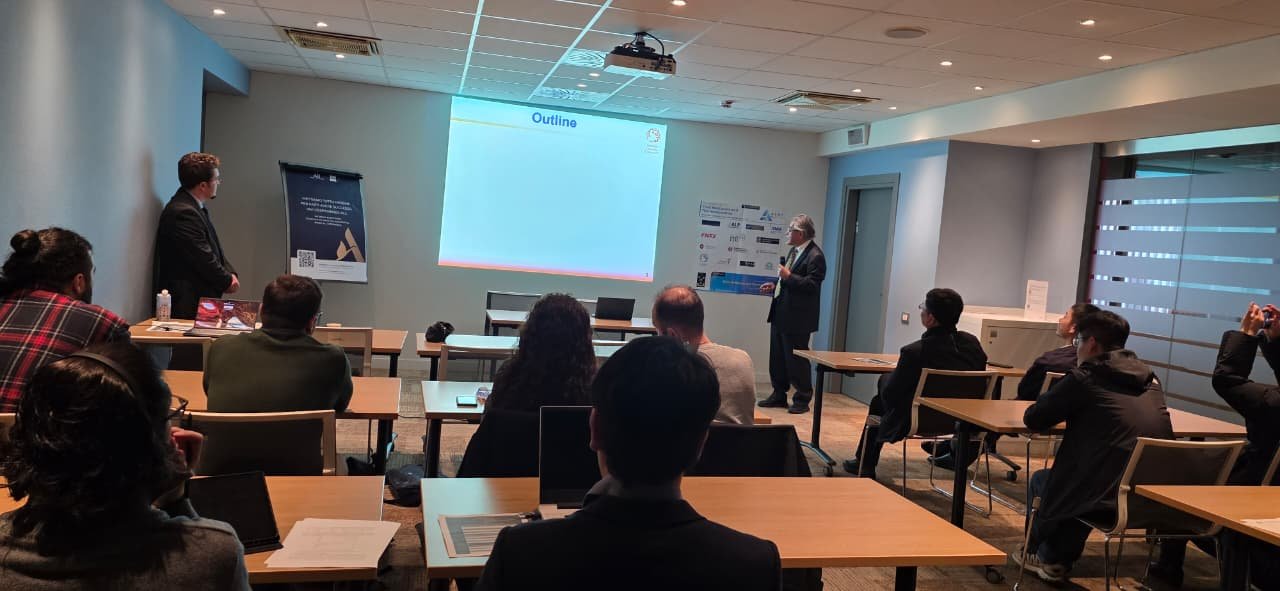
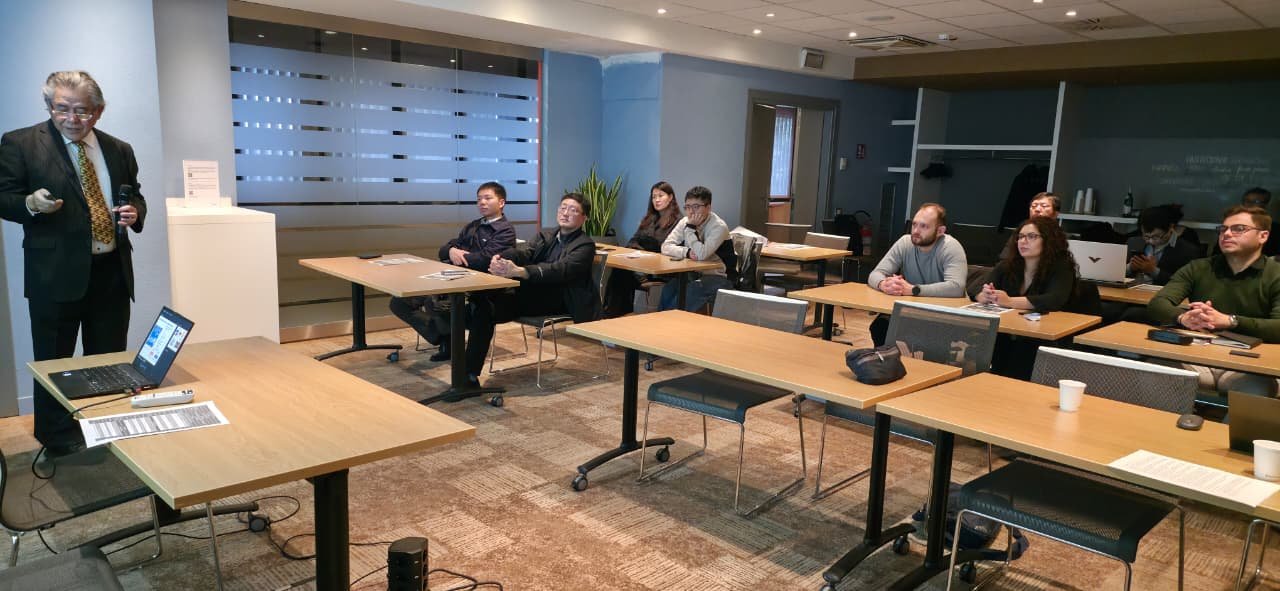
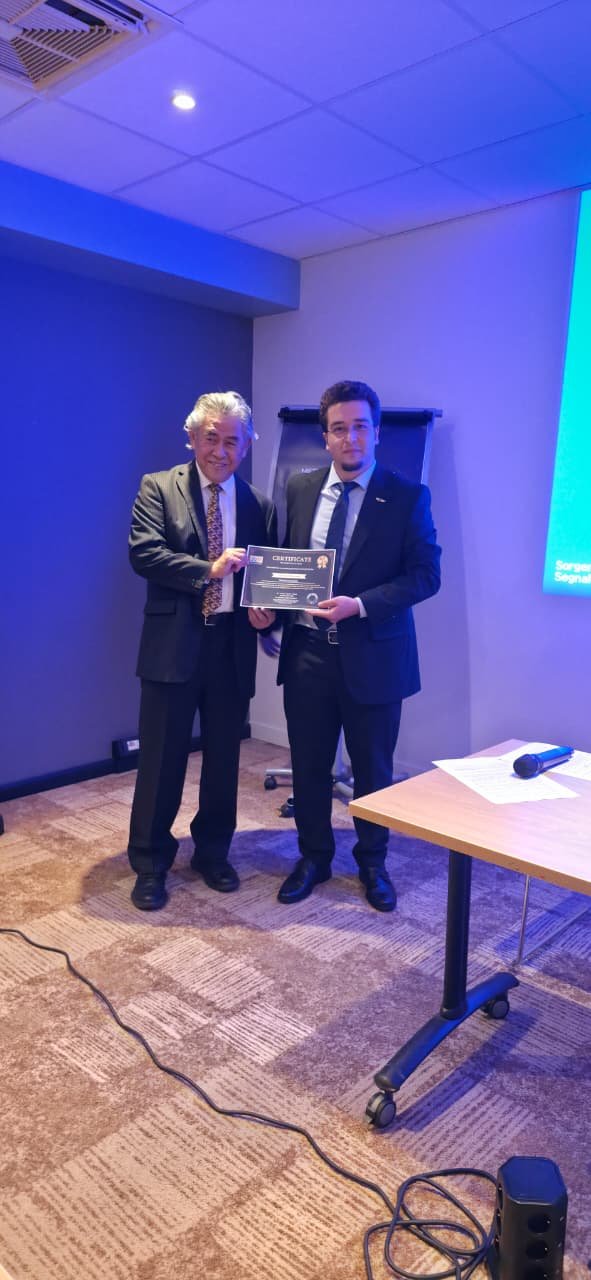
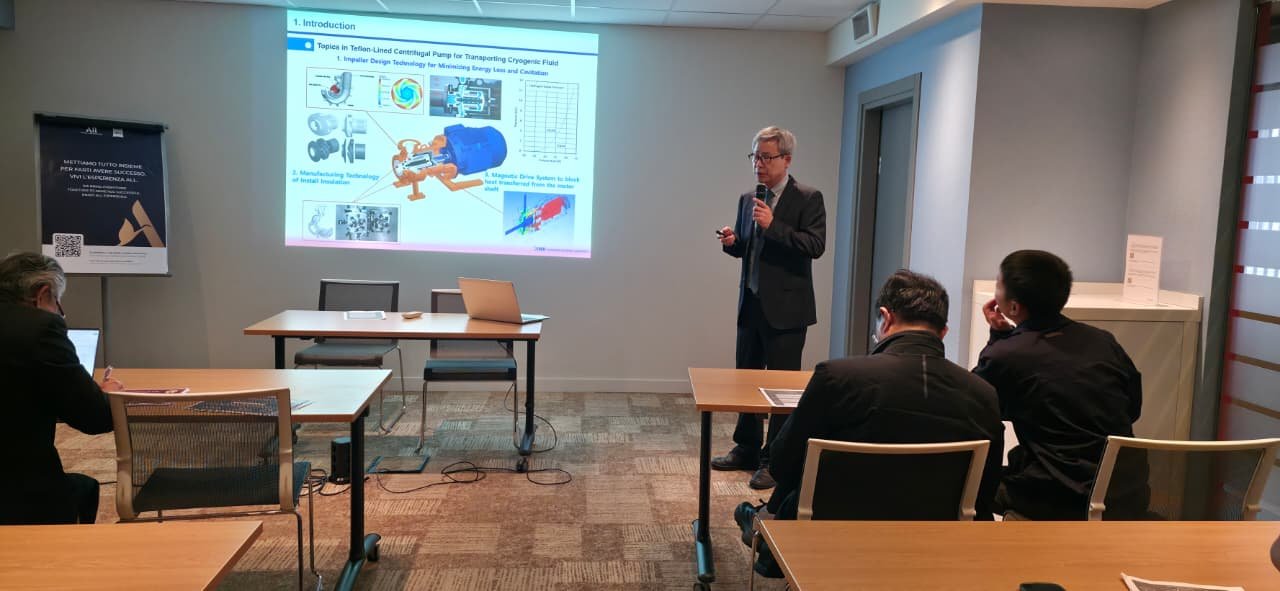
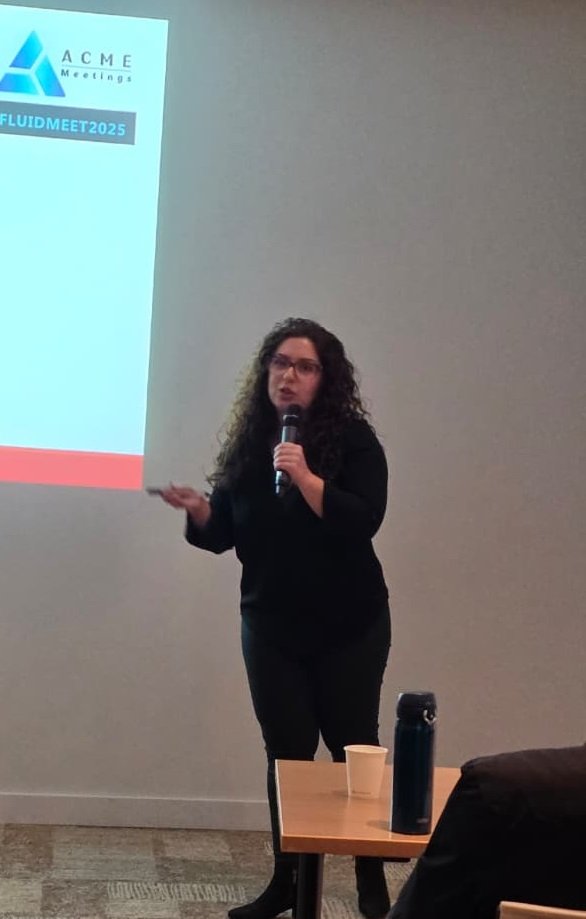
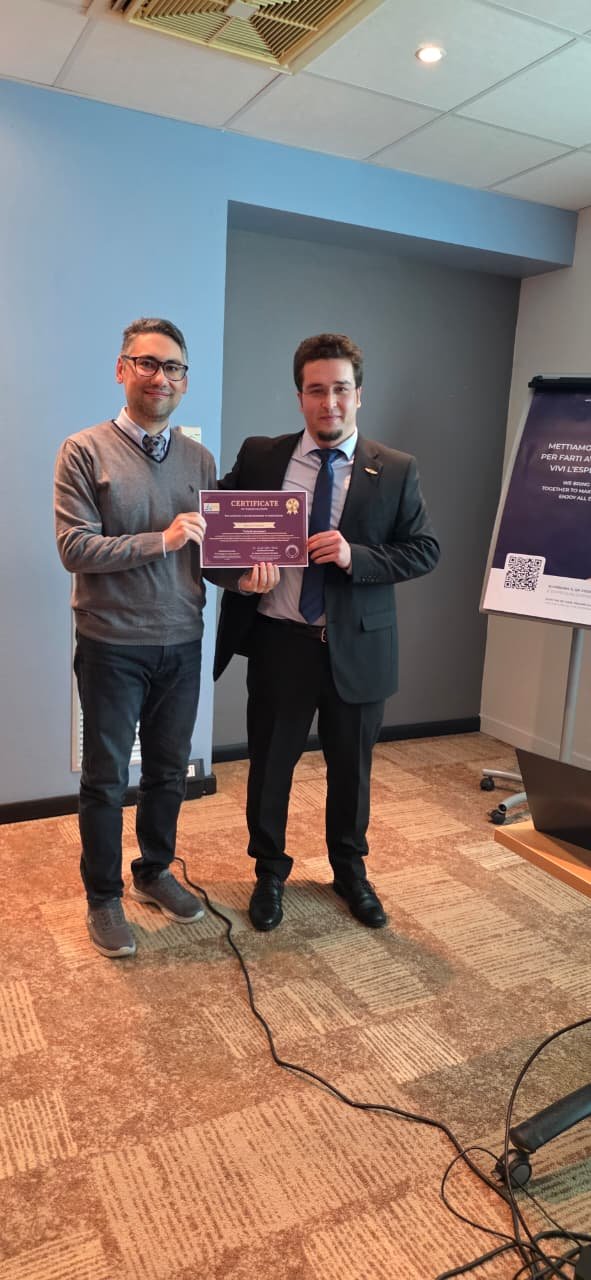
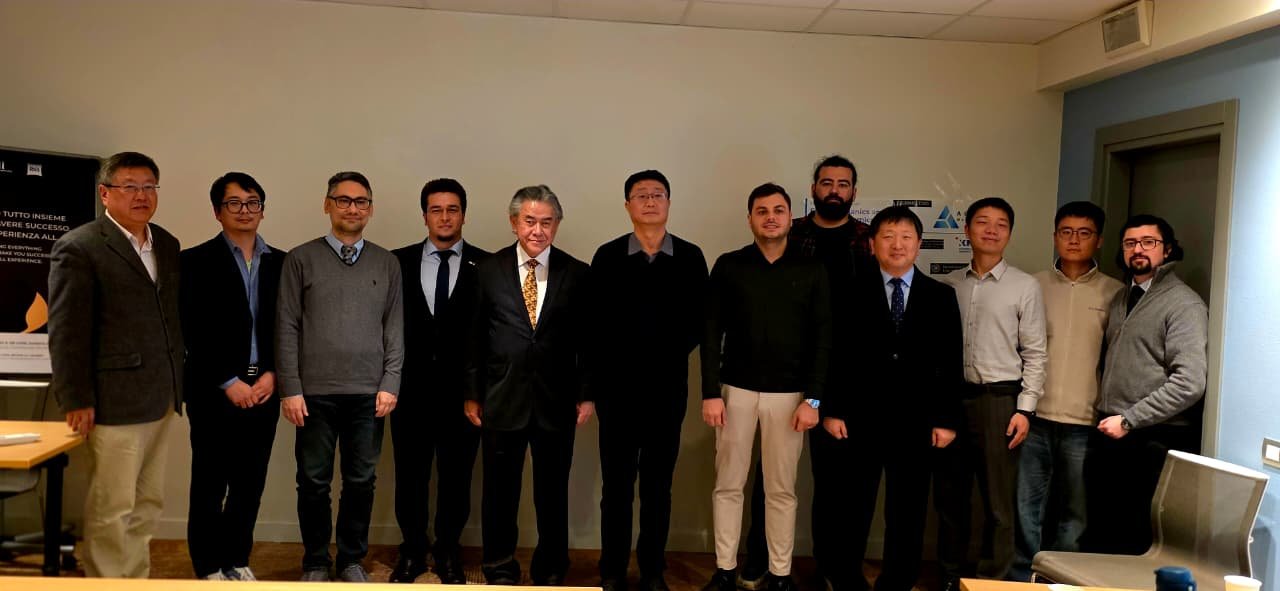
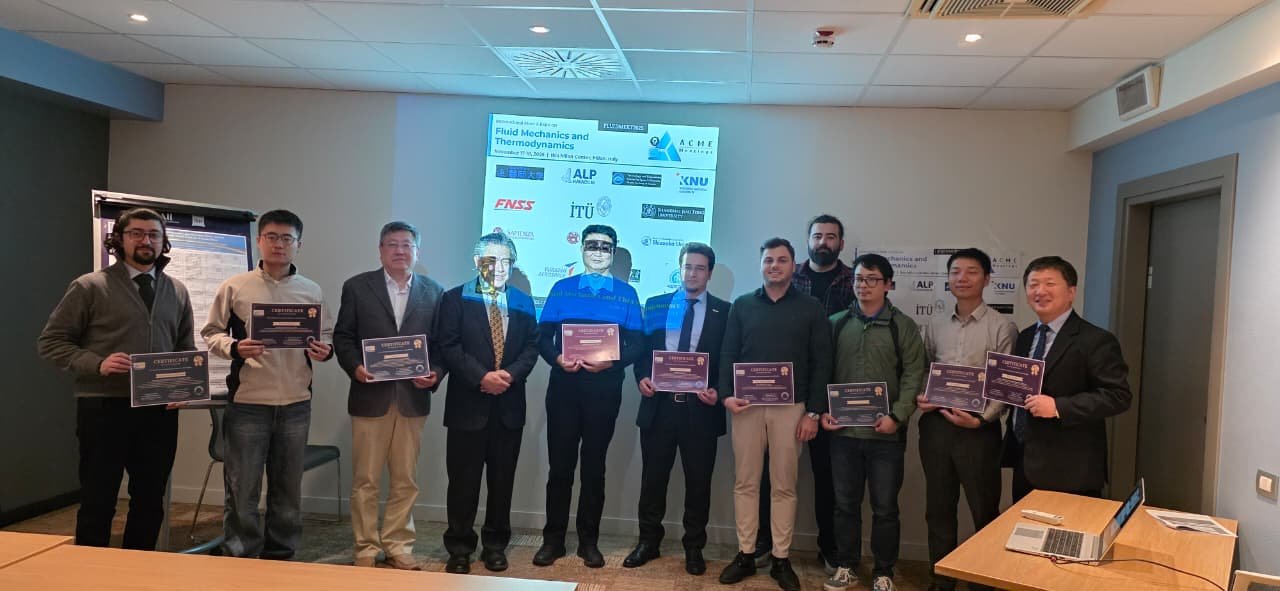
Thousands of international researchers, scientists and leaders will gather at the meeting.
Abstract Submission Deadline: February 04, 2026
EarlyBird Registration Deadline: December 31, 2025
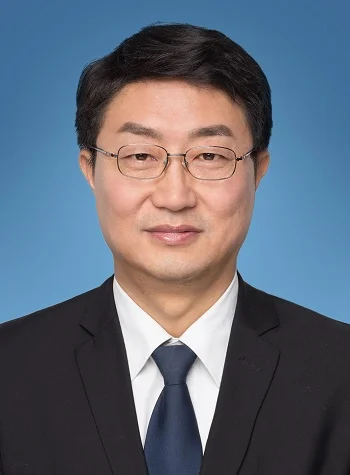
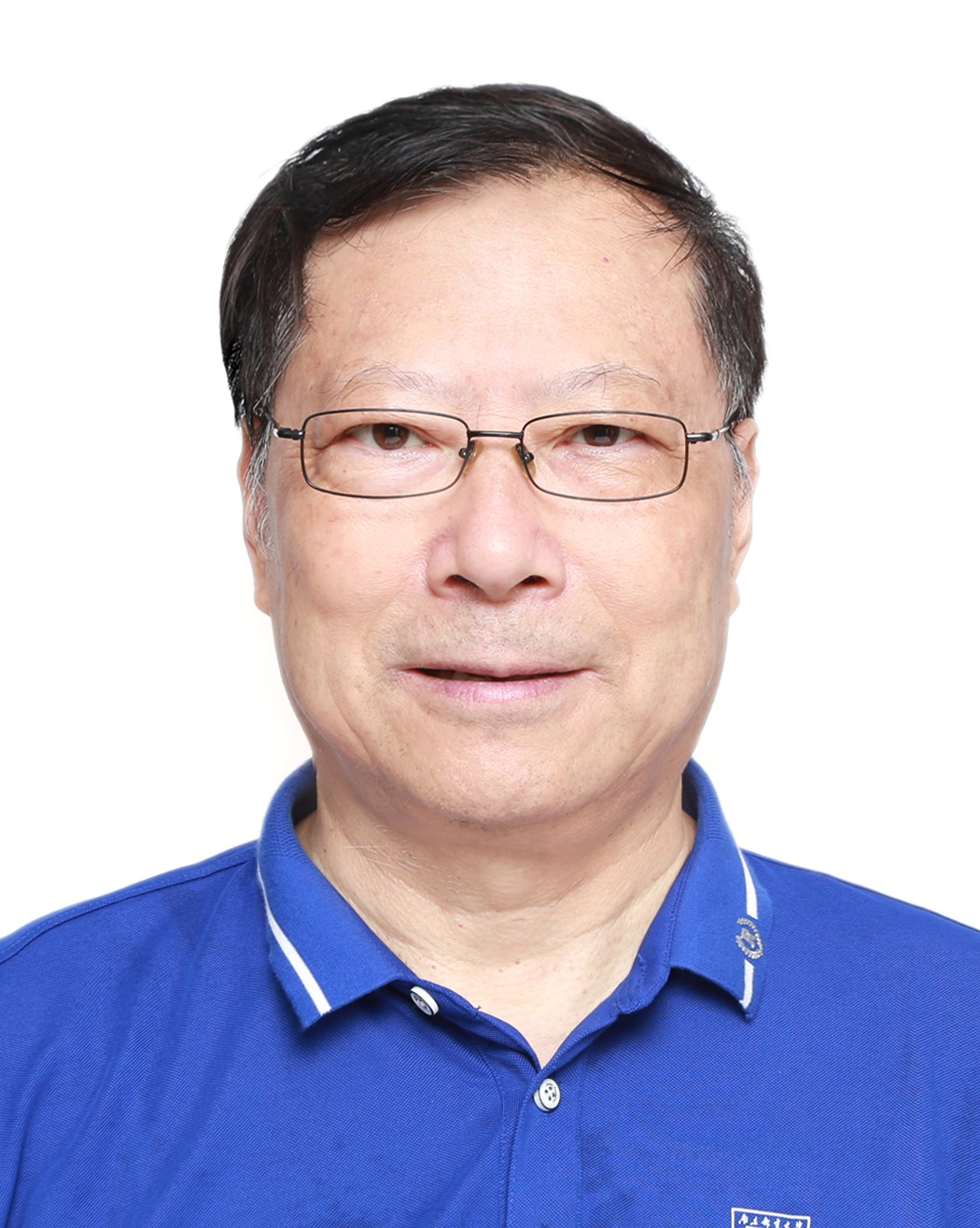
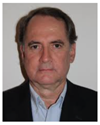
Dr. HUANG Ning is a professor, director of doctor degree in Lanzhou University. He is the previous Deputy Director of the Key Laboratory of Mechanics on Disaster and Environment in Western China, the Ministry of Education of China. He is an Editorial Board Member of the Journal Scientific reports, Guest Editor of the journal Aeolian Research, and reviewers of about 20 journals.He is author or co-author of about 100 academicpapers.His main Research Interests include Environmental Fluid Mechanics, Multi-phase flow, and Mechanism of Aeolian Transport. His recent research interest focuses on the dynamic processes of snow driftand its sublimation, the temporal and spatial variation of snow distribution in mountainous area, and the effectfactors on the emission and transportation of airborne particles.
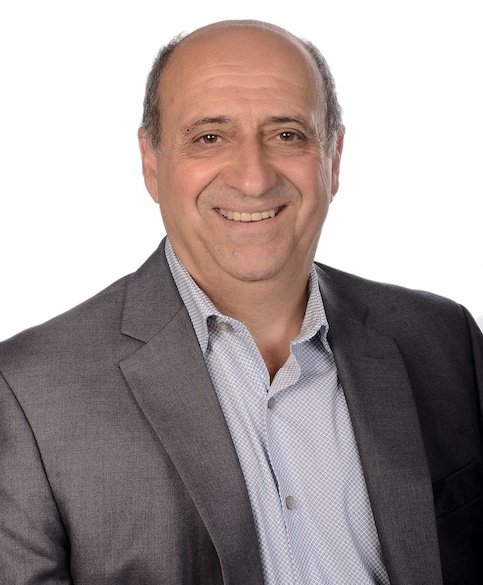
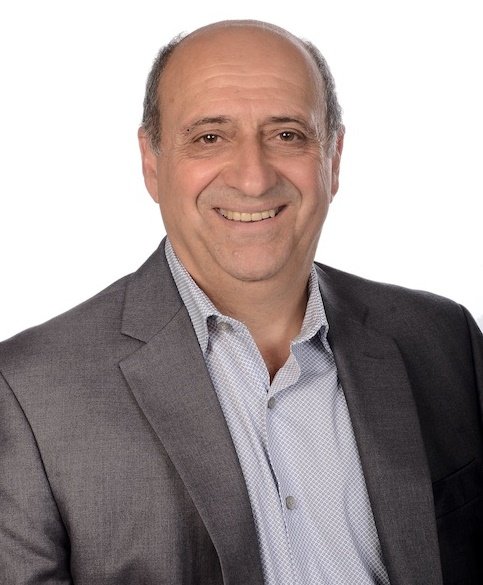
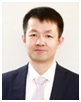
Prof M. Ziad Saghir is a Professor at Toronto Metropolitan University and Canada's most experienced reduced-gravity researcher. He is Canada's top performer at leveraging departmental and provincial research funds with national (NSERC, CSA) and international funding agencies to pursue Canadian space science objectives onboard the International Space Station (ISS). His talent as a space scientist and university educator is consistently requested by the international space physical science mission community. He leads a group of very strong graduate students and post-docs that come from academia and industry, with interest in and application to deep hydrocarbon reservoirs. His innovation is recognized internationally through consistent invitations from European researchers that identify him as applying the maximum knowledge gained from long-duration gravity-driven phenomena in fluid physics to industrial processes. He has been PI or Co-I of Foton-M2 and M3 SCCO recoverable satellite missions (2007), the ISS SODI-IVIDIL (2009) and DSC (2010) missions, the ISS SODI-DCMIX mission (2011-15), and was the national coordinator of the CSA discipline working group on the role of gravity in metals and alloys. Canada's contribution to the SODI-DCMIX mission is to clarify the role of gravity on the movement of hydrocarbons across temperature gradients-important knowledge for Canada's deep oil reservoir sector (Hybernia Oil field and Northern exploration of oil reservoir deposits). Over the past decade, Prof. Saghir has been working in collaboration with TOTAL and researchers in France to apply innovation to benefit Canada's competitiveness in hydrocarbon extraction from oil reservoirs, a top priority of the Federal Government. He has published over 270 scientific journal paper related to energy. He is currently the chair of the International conference on Thermal Engineering (www.ictea.ca).
Shigenao Maruyama is a Professor Emeritus and Specially Appointed Visiting Professor of Tohoku University, Sendai Japan. He specialises in thermal and fluid engineering. He has published more than 10 books and 300 academic research papers, and has obtained 60 patents. He has studied various aspects of fluid flow and energy exchange. Based on the principle that conventional heat transfer and thermal control focuses on improving heat transfer and temperature control of equipment, he has proposed a novel concept of heat transfer control in which heat transfer is actively increased or decreased. The proposed active thermal insulation system and heat transfer control device utilises Peltier effects. His work is interdisciplinary, utilising knowledge from various academic disciplines. He has co-authored and edited Thermodynamics (JSME Text series), one of the best-selling books on thermodynamics for mechanical engineering students in Japan. He has also published a book to educate the public about thermal science and a novel describing the accidents at the Fukushima Daiichi nuclear power plants. He received many of the awards listed above. In particular, he received the Medal of Honour with Purple Ribbon from the Japanese government in 2012.
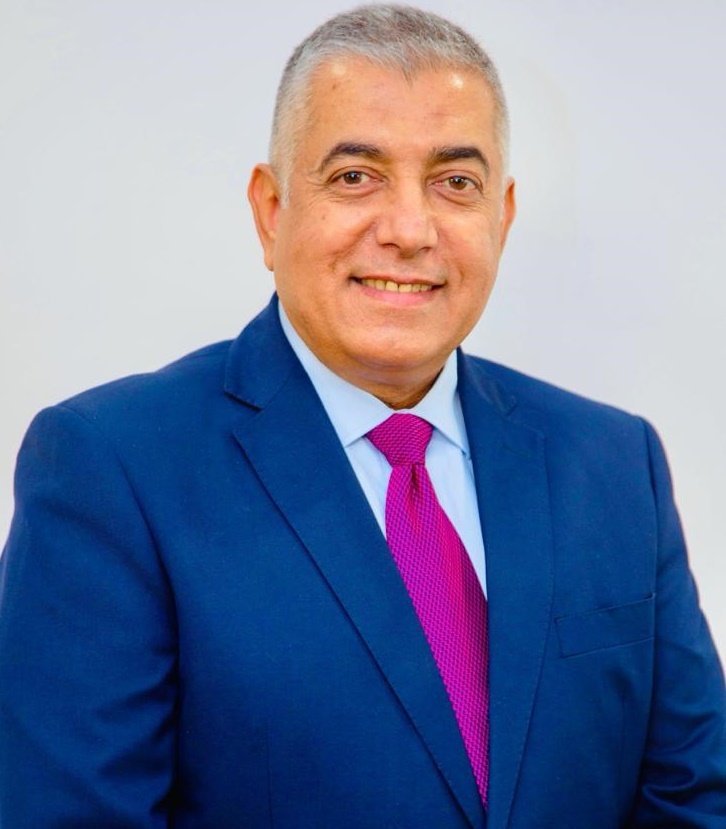
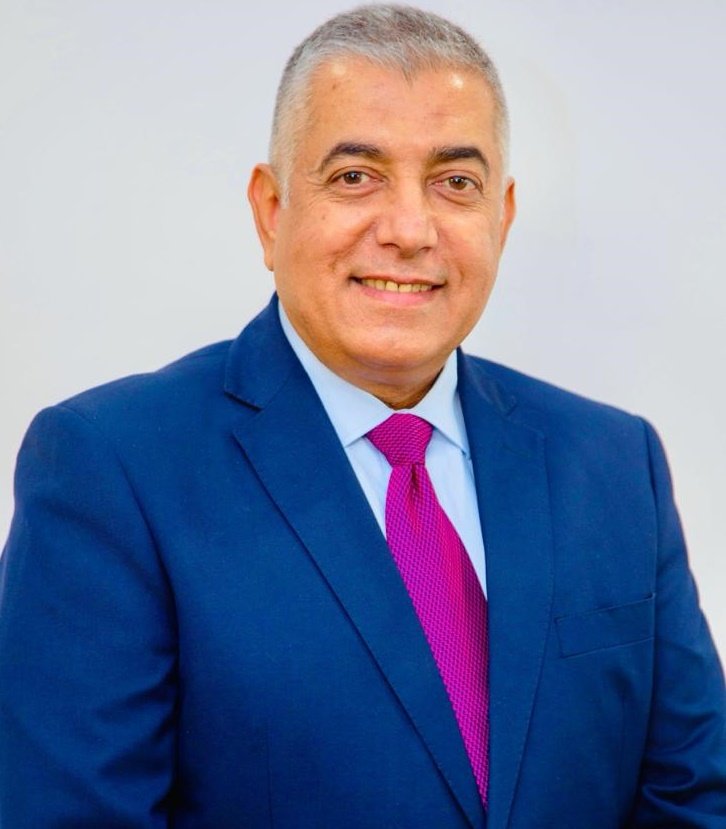
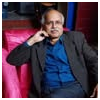
Ali J. Chamkha is a Distinguished Professor of Mechanical Engineering and Dean of Engineering at Kuwait College of Science and Technology. He earned his Ph.D. in Mechanical Engineering from Tennessee Technological University, USA, in 1989. His research interests include multiphase fluid-particle dynamics, nanofluids dynamics, fluid flow in porous media, heat and mass transfer, magnetohydrodynamics and fluid-particle separation. He is currently the Editor-in-Chief for the Journal of Nanofluids and has served as anEditor, Associate Editor or a member of the editorial board for many journals such as ASME Journal of Thermal Science and Engineering Applications, ASME Journal of Nuclear Engineering and Radiation Science, International Journal of Numerical Method for Heat and Fluid Flow, Journal of Thermal Analysis and Calorimetry, Thermal Science journal, Scientia Iranica, Special Topics & Reviews in Porous Media,Journal of Porous Media, Journal of Thermal Engineering, Recent Patents on Mechanical Engineering,Journal of Applied Fluid Mechanics, International Journal of Fluids and Thermal Sciences,Journal of Heat and Mass Transfer Research,International Journal for Microscale and Nanoscale Thermal and Fluid Transport Phenomena, International Journal of Industrial Mathematics and many others. He has authored and co-authored over 1250 publications in archival international journals and conferences.His current h-index is 145 and total citations is 65,674. Professor Chamkha was included in the World's Top 2% Scientists 2020, 2021, 2022, 2023 and 2024lists(by Stanford University) with a Global Rank #21, #20, #23, #14 and #10 out of a total of 92,645, 109,724,121,447, 133,525 and 143,311, respectively and Rank #1 at the Arab World level in Mechanical Engineering and Transports category for all these years.
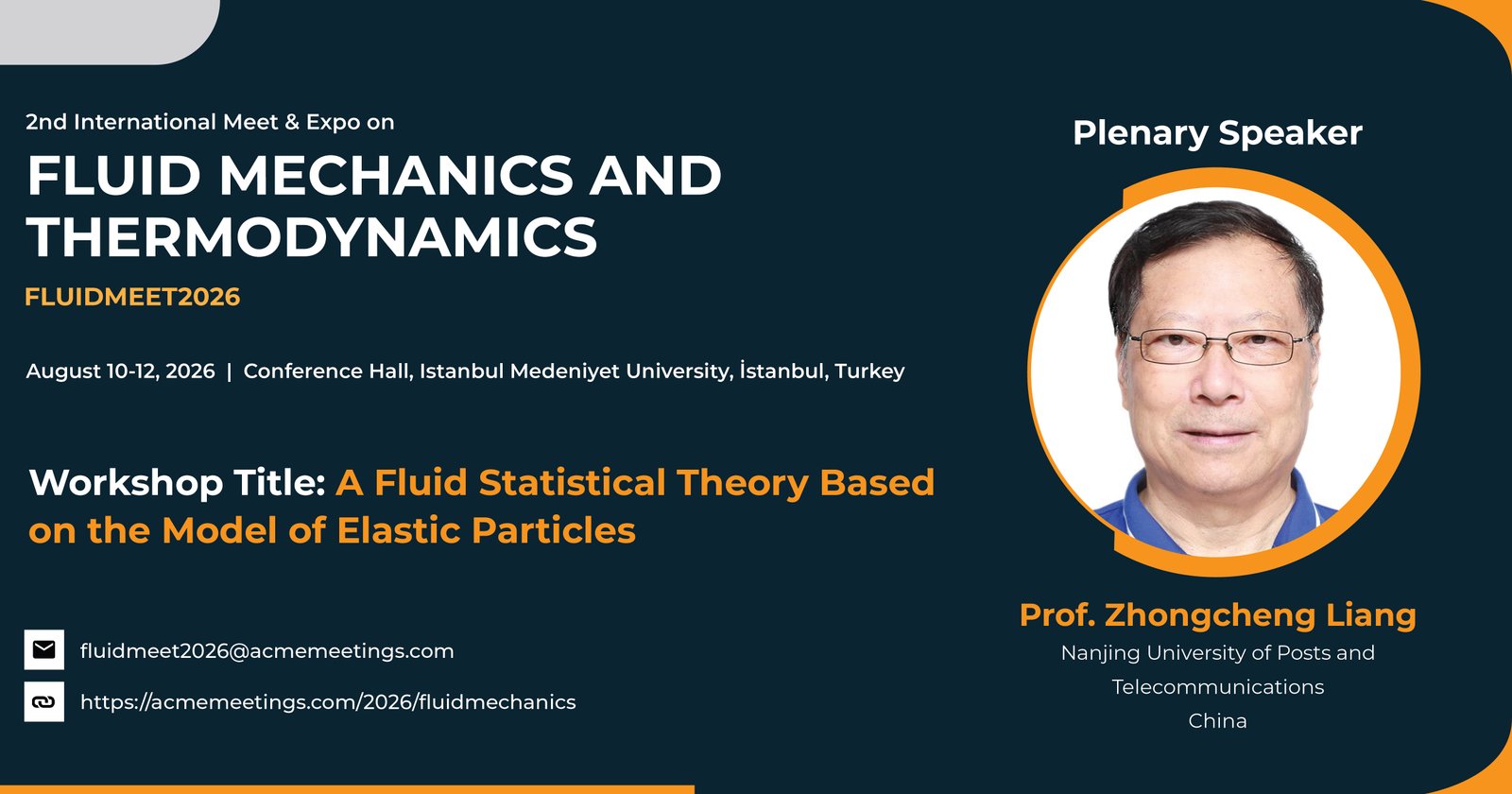
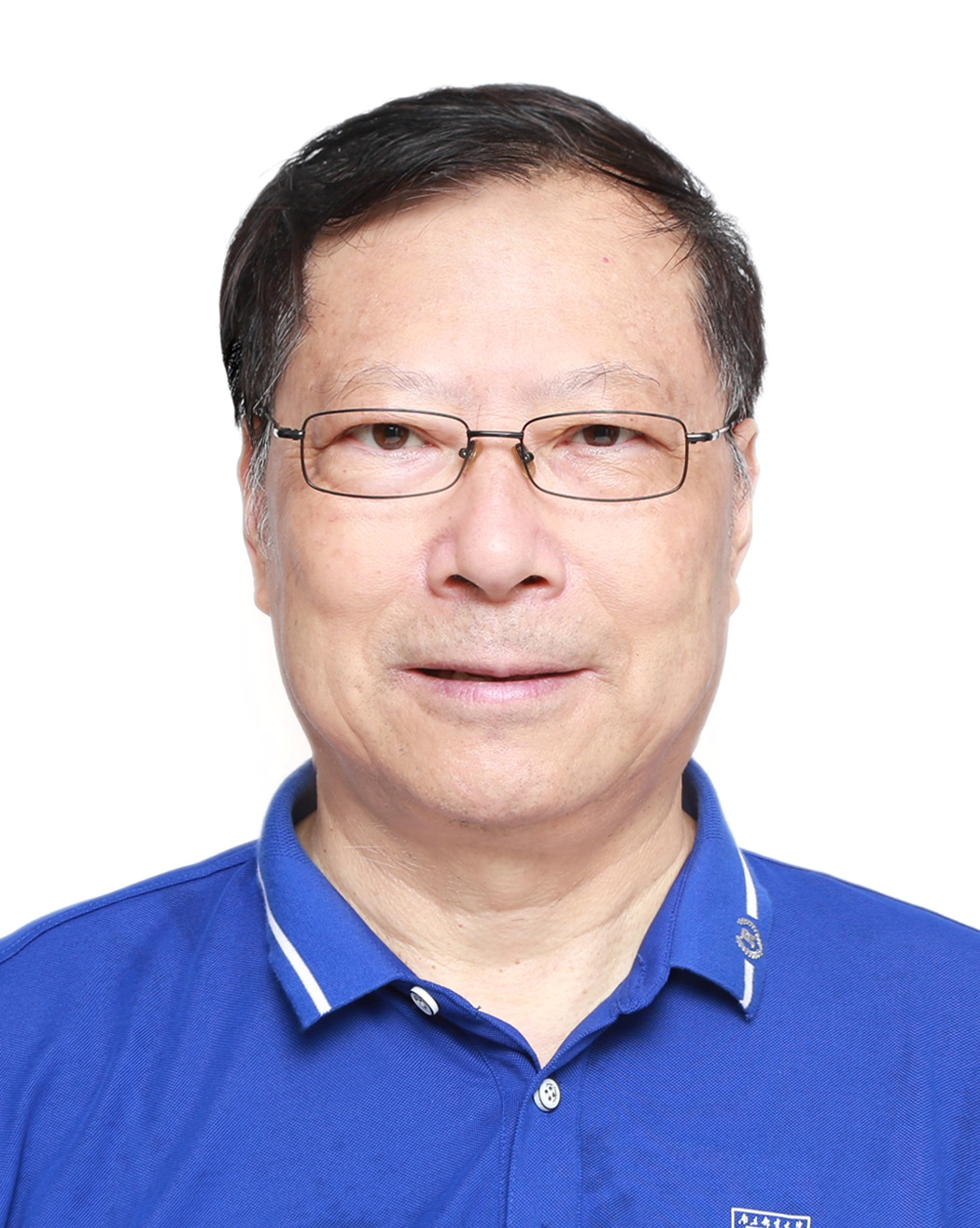
Prof. Liang obtained his B.Sc. degree of physics from Nanjing Normal University and Ph.D. degree of physics from the University of Science and Technology of China. From 1982 to 2005, he worked in Nanjing Normal University as a lecture, associate professor, and full professor. From 2006 to 2022, he was a professor at Nanjing University of Posts and Telecommunications. He once visited Free University of Berlin and California Institute of Technology as research scholars. His research areas involve optics, theoretical physics, and condensed matter physics, his interests focus on the fundamental theory and optoelectronic application of complex fluids. His main achievement is the establishment of an axiomatic physical theory based on the elastic particle model, which includes the particle flow field theory, the particle dynamics, and the particle statistics.
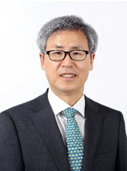
Jeong-Eui Yun, Professor in the Department of Mechanical Engineering at Kangwon National University in South Korea. Professor Jeong-Eui Yun received his Ph.D. in Mechanical Engineering from KAIST in 1993 and worked as a researcher at IAE(Institute for Advanced Engineering) and the Central Research Center of Daewoo Motors Co. Ltd. for about ten years. He has been a Professor in the Department of Mechanical Engineering at Kangwon National University, South Korea since 2003.His primary research interest is fluid machinery design using computational fluid dynamics analysis.
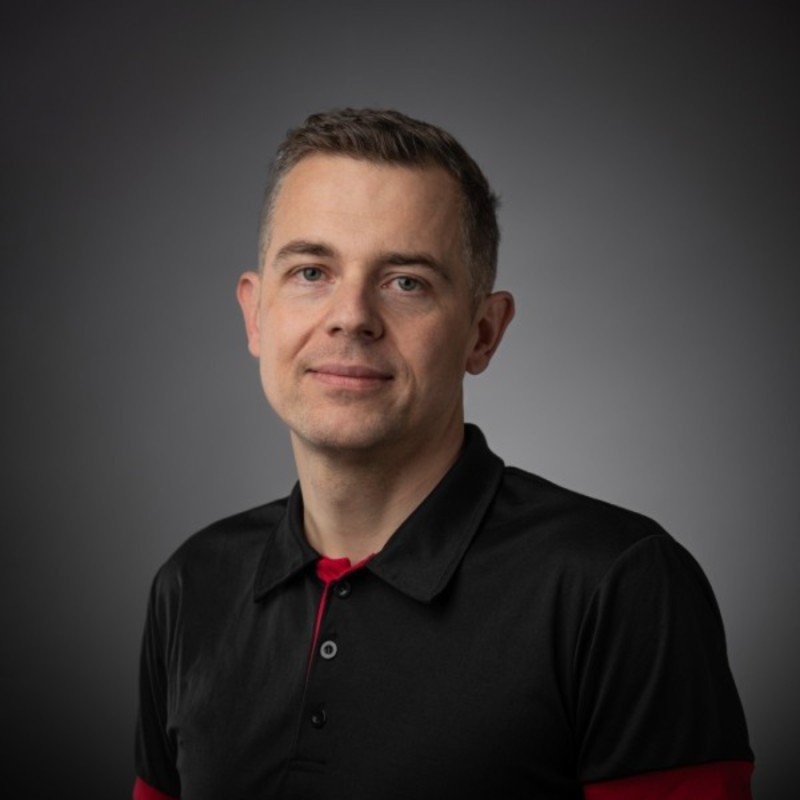

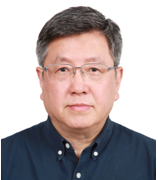
Dr. Qiusheng LIU is Chief Professor in Technology and Engineering Center for Space Utilization,Chinese Academy of Sciencesand Senior Researcher of Institute of Mechanics,CAS. He is alos Guest Professor at University of Chinese Academyof Sciences (UCAS), School of Physics (2013-present) .He works more than 30 years in research field of Fluid Physics in Space including fluid interfacial phenomena, two-phase fluids and heat transfer, space fluid management and the relative space experimental techniques. He received his Ph.D. degree in Fluid Mechanics, Université Aix-Marseille II (Marseille, France) in 1994. He worked as a researcher in IMFM (France) and in Complutense University (Madrid, Spain) on numerical modelling and stability analysis in fluid interfacial phenomena (1995-1996). He studied theoretical and experimental investigations of Interfacial-tension-driven convection and instability of thin films and multi-layered fluid, especially in microgravity condition since 1992 and developed theoretical and numerical models of heat and mass transfer at the phase-changed interface. After his study and research in Europe and he participated as one of chief scientist and designer and performed successfully the first Chinese fluid experiment in space onboard Chinese satellite SJ5 in 1999. He is now leading scientist in the several space experiment projects and the Chinese scientific planning or program on microgravity researches. He carried out as Chief Scientist and Director Designer of Two Space Experiments: (i) Evaporation & Condensation onboard China’s Spaceship-Cargo TZ-1 (2017) and (ii) Evaporation and Fluid InterfaciaLEffects (EFILE) onboard SJ-10 Satellite (2016). He is now chief scientist of the “Two-phase System and Heat Transfer Research” Project 2013-2023 of China Space Station in China, and PD of the development of “Two-Phase System Experimental Rack (TPSR)” of CSS. He has published over 100 papers in academic journals and conference proceedings and received several awards, such as Outstanding Workers Award of China Manned Space Engineering of CAS (2004), Second Grade Award of Science and Technology Progress of Chinese Academy of Sciences (2001) and“Hundred Talents Program” of Chinese Academy of Sciences (1998) et al. He is now Co-Chair member of Microgravity Sciences and Processes Committee of IAF, and he was the president of China National Society of Microgravity Science and Application (NSMSA), standing director of theChinese Society on Space Research (CSSR) in 2006-2016.

Akay Dumatoglu is a mechanical engineer in the Research and Development (R&D) department at FNSS Defense Systems. He earned his bachelor’s degree in mechanical engineering from Middle East Technical University in 2015 and has been working in his current role since 2017. His primary focus is on evaluating and enhancing the amphibious capabilities of military vehicles. He has contributed to the hydrodynamic design process of the ZAHA amphibious assault vehicle and conducted offshore mine breaching operation simulations for sea states of 2 or higher. Additionally, he performs subsystem flow analyses, including engine air intake and exhaust systems. His current research interests include reducing the thermal signature of military vehicles and optimizing muffler design to improve backpressure and noise reduction.
John Chemmanoor Joseph is a full-time Ph.D. student at Gyeongguk National University, Republic of Korea. His research interests include shock wave–boundary layer interaction, compressible flows, and computational fluid dynamics. His master’s research focused on thrust vector control in high-speed flow applications. His current doctoral work is devoted to investigating the free-interaction phenomenon across a wide range of flow configurations and operating conditions, with particular emphasis on lowsupersonic regimes and turbulence–shock interactions.
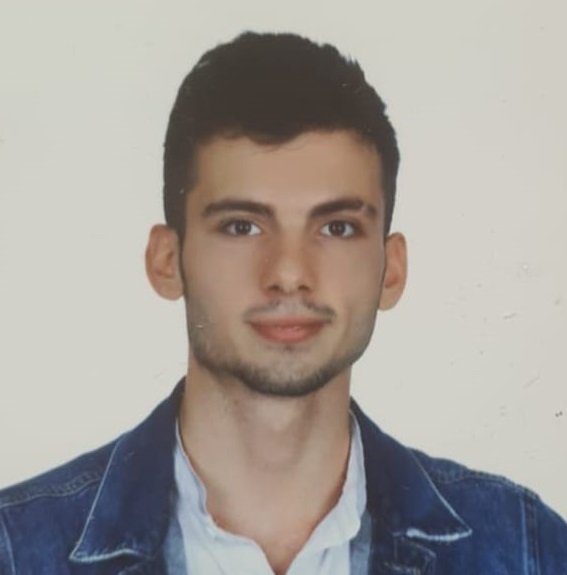
I am Erdem Aktürk, a Mechanical Engineer specializing in Computational Fluid Dynamics (CFD) and Heat Transfer Analysis. I completed my B.Sc. in Mechanical Engineering (100% English) from Marmara University in 2025, a GPA of 80.7/100. My expertise is in aerodynamics, turbomachinery, and thermal simulations. I am skilled in using advanced CFD tools, including ANSYS Fluent, CFX, OpenFOAM, and SU2. For my graduation project, I developed a Python-based optimization tool for delta wing aerodynamics, leveraging SU2, Gmsh, and FreeCAD. Additionally, through the Numesys CFD & Heat Transfer Camp, I conducted CFD projects and analyzed the effect of winglets on the ONERAM6 aerodynamic performance using ANSYS Fluent. I gained practical experience in aerospace through an internship at Türk Havacılık ve Uzay Sanayii A.Ş. (TUSAŞ), where I applied Geometric Dimensioning and Tolerancing (GD&T) and designed assemblies in CATIA. I am actively seeking opportunities in the aerospace and energy sectors to apply my advanced CFD and thermal modeling skills.
My name is Febronia Nabil, and I am an undergraduate student in Mechanical Power Engineering at Assiut University, expecting to graduate in 2027. I am currently the Head of Aerodynamics for Assiut Motorsport, where I design and develop airfoils for Formula Student racing car wings. I work on creating airfoils from scratch, testing and improving them using computational and experimental methods, and applying optimized designs to improve the car’s aerodynamic performance. I am passionate about aerodynamics and fluid dynamics, and I enjoy turning theoretical concepts into practical, high-performance solutions for racing cars and engineering projects.
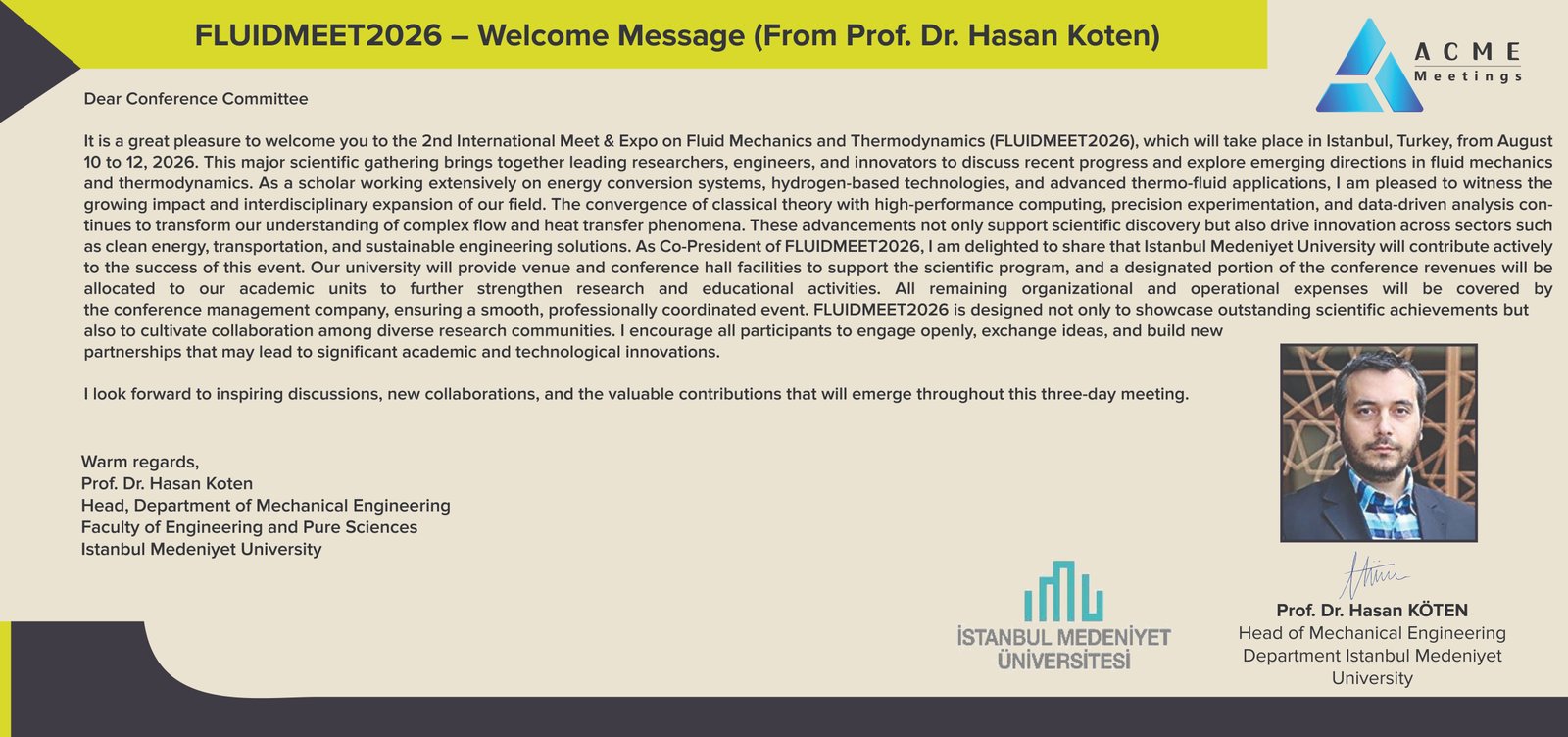
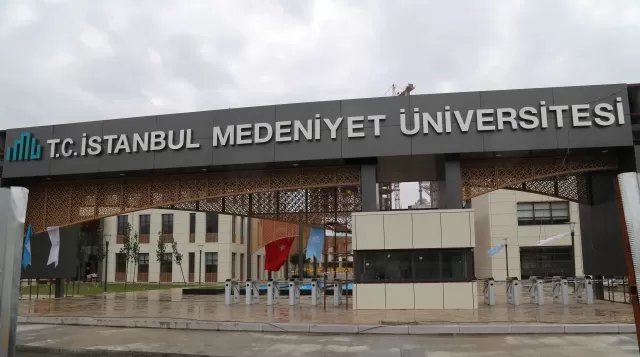
FLUIDMEET2026 will take place at the Conference Hall of Istanbul Medeniyet University, one of Turkey’s most prestigious academic institutions located in the heart of Istanbul. The university’s modern infrastructure, advanced research environment, and well-equipped facilities make it an ideal setting for an international scientific gathering.
Situated at the crossroads of Europe and Asia, Istanbul offers a rich blend of history, culture, and innovation — providing participants a vibrant backdrop for knowledge exchange, collaboration, and networking. The venue is easily accessible from international airports, city transport, and nearby accommodation facilities.
Join us at this dynamic venue to engage with experts, present new research, and explore new directions in Fluid Mechanics and Thermodynamics.